MATERIAL NOTES / Ceramic
Vessels, spaces and the traces of use
Begin by looking inside a form. A vessel invites attention to more than its outer surface: it asks us to notice the space it encloses.
NARRA Editorial · An interpretive reading of illustrations
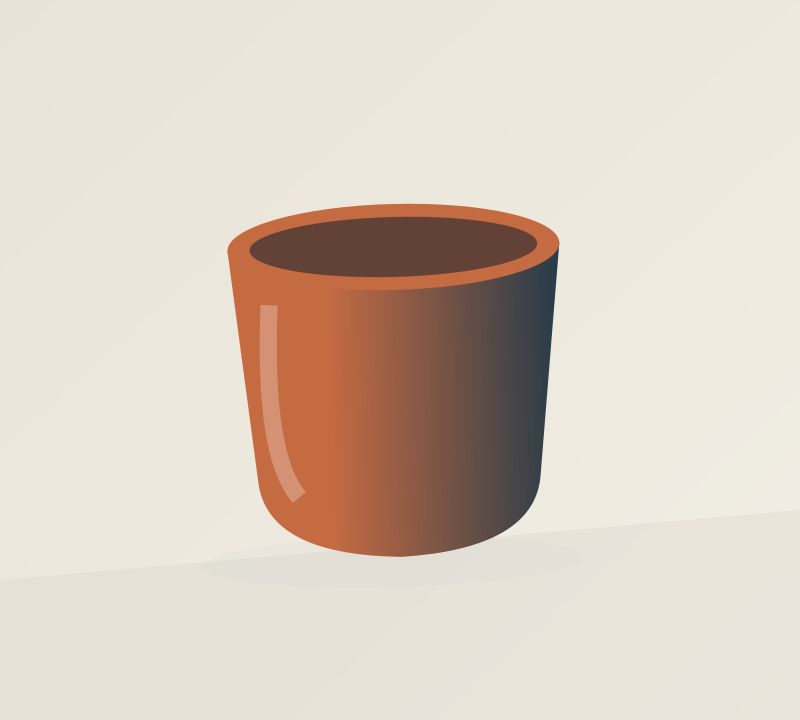
01 / LOOKING NOTES
Let the empty space belong to the object
A cup is quickly understood as something that holds something else. Set that familiarity aside and look only at the opening and the rim. Does the space seem circular, angular or partly hidden in shadow? The absence of material may be what makes this particular form memorable.
02 / LOOKING NOTES
Imagine scale through familiar gestures
Without a hand or a real table beside it, an illustrated vessel can feel small or monumental. Imagine lifting, setting down or turning it. Which part of the form makes the gesture seem possible? The dimensions in this demonstration belong to the fictional narrative, rather than a measured physical object.
03 / LOOKING NOTES
Compare a vessel with a form without a task
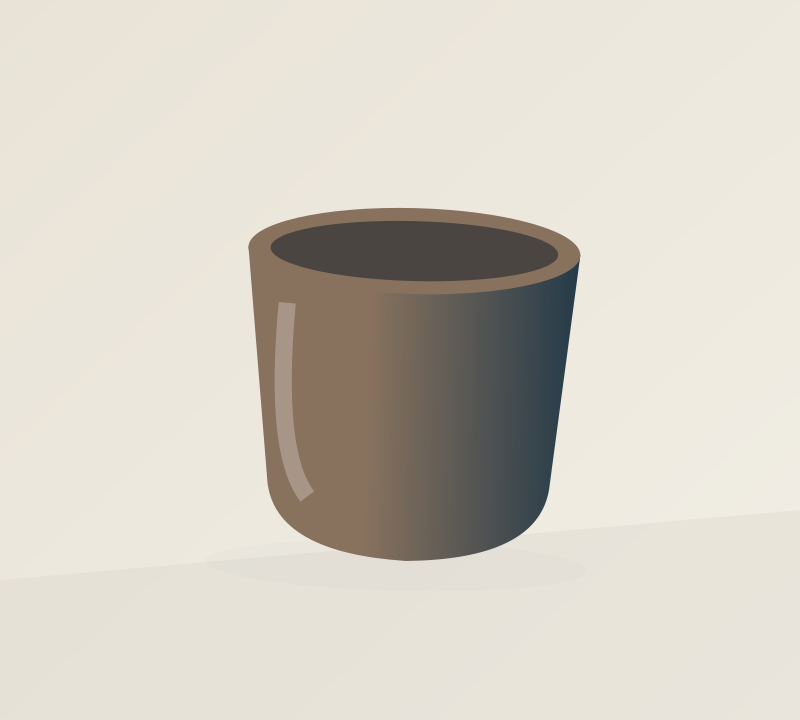
Compare the openings, bases or shell-like parts of the ceramic studies below. What makes you read one as an everyday object and another as a study? Would that reading stay the same if their titles were hidden?
RETURN TO THE OBJECTS
Return with a different question.
Ceramic · 2026
Ceramic · 2026

Ceramic · 2026
Connected stories
CONTINUE THROUGH THE MAKERS
Form Room ↗Light Bureau ↗Thread Assembly ↗