MATERIAL NOTES / Glass
Reading light through edges and shadows
An impression of transparency can begin in the darkest part of an image. Follow an overlapping edge, then return to the whole form.
NARRA Editorial · An interpretive reading of illustrations
01 / LOOKING NOTES
Separate what is visible from what is expected
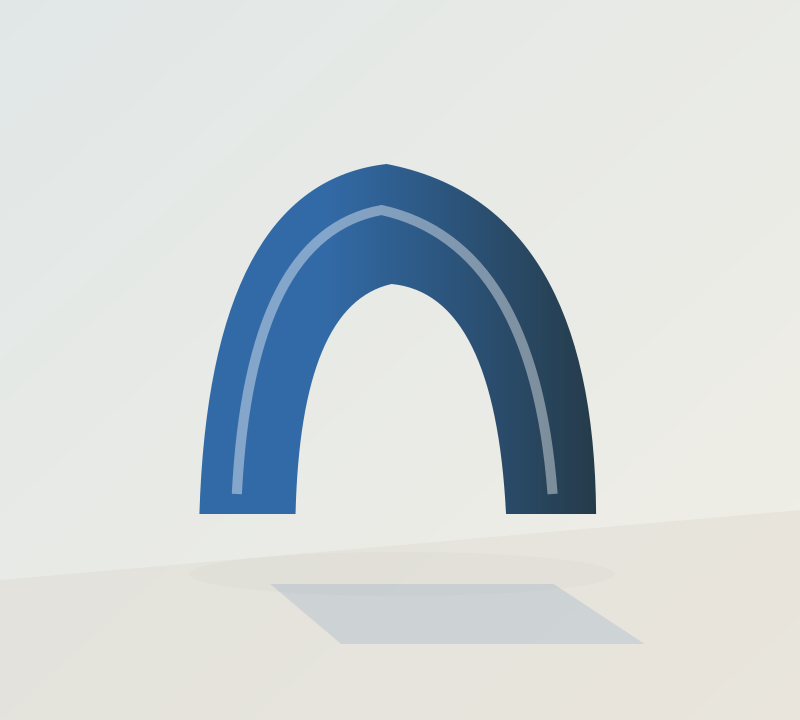
The word glass may lead us to expect a view of what lies behind it. In an illustration, transparency may instead be suggested by colour, an edge or an opening. Describe what you see without naming the material: a blue plane, a darker border, a curved gap. Which of those elements creates the impression?
02 / LOOKING NOTES
The full view and the detail tell different stories
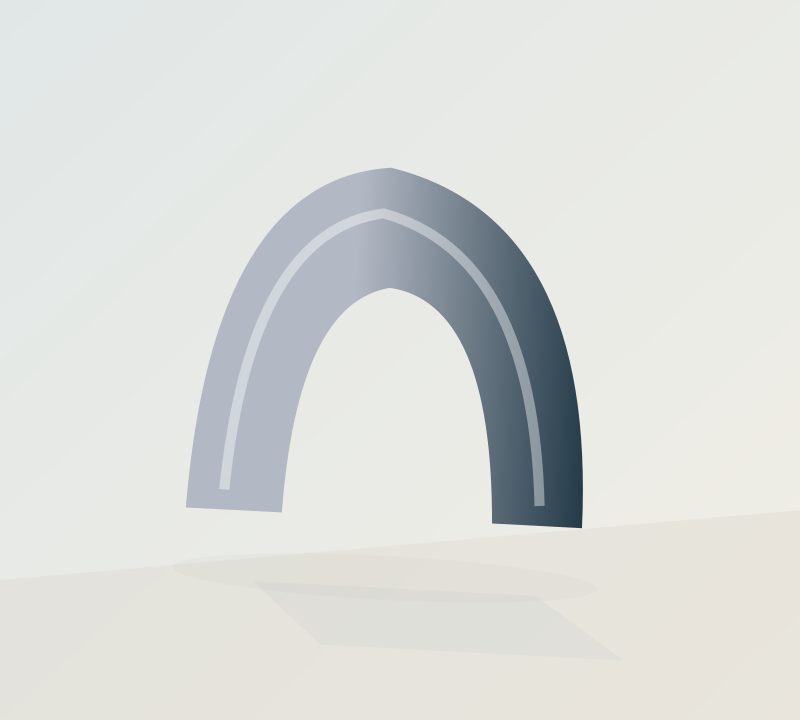
The full view offers a posture; a detail removes some of its surrounding relationships. When one edge fills the image, it may become a path or a boundary rather than an object. Switch between the two views. At what point does the title help you remember what you are looking at?
03 / LOOKING NOTES
Follow light into another material
After the glass studies, open Reading Light or compare a paper work. Transparency need not remain the only question. Lines, bright areas and intervals may offer another way to think about light. These are readings of illustrations, not records of physical lighting experiments.
RETURN TO THE OBJECTS
Return with a different question.
Glass · 2026
Glass · 2026
Connected stories
CONTINUE THROUGH THE MAKERS
Form Room ↗Light Bureau ↗