IN FOCUS / READ THIS STORY MORE CLOSELY
Light passing through, light represented
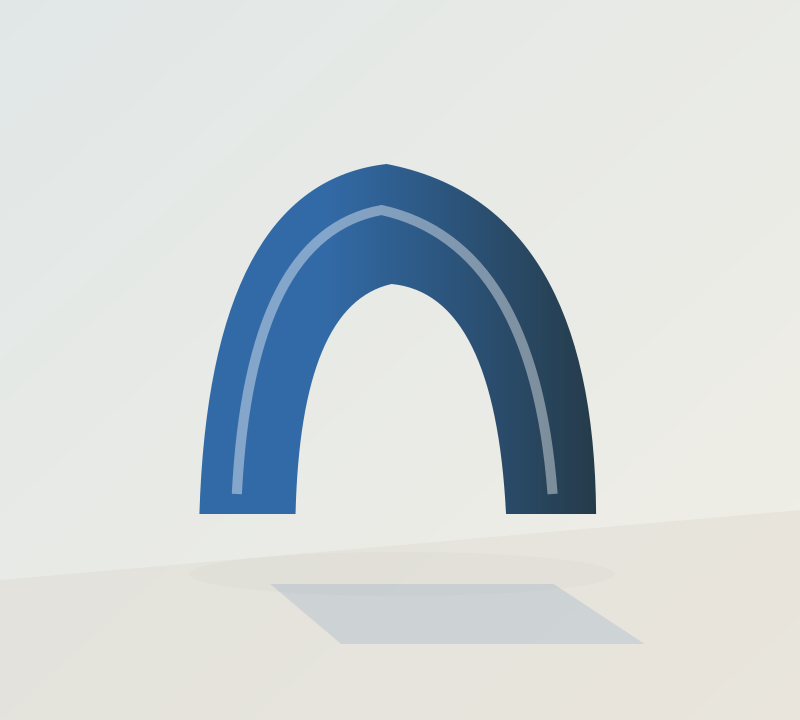
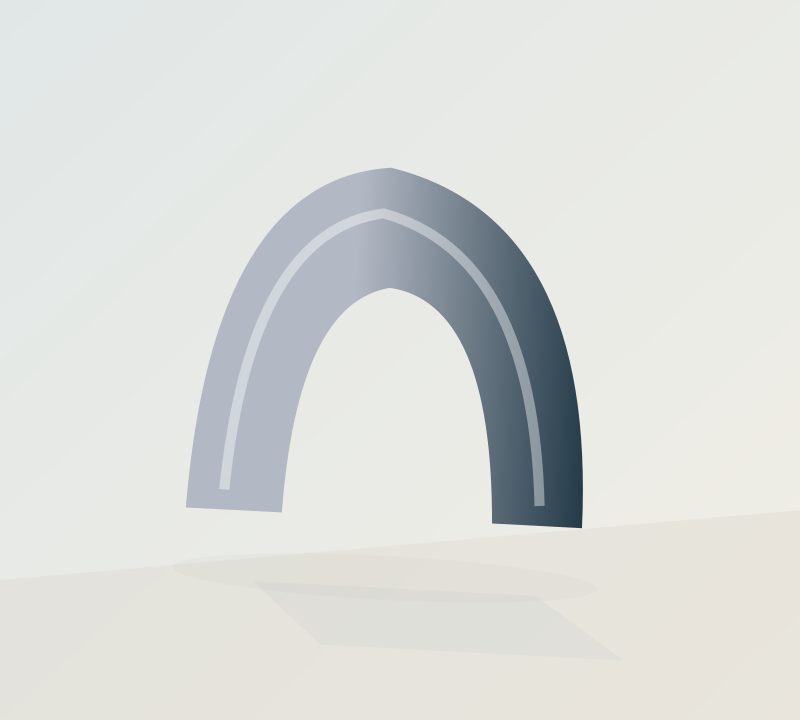
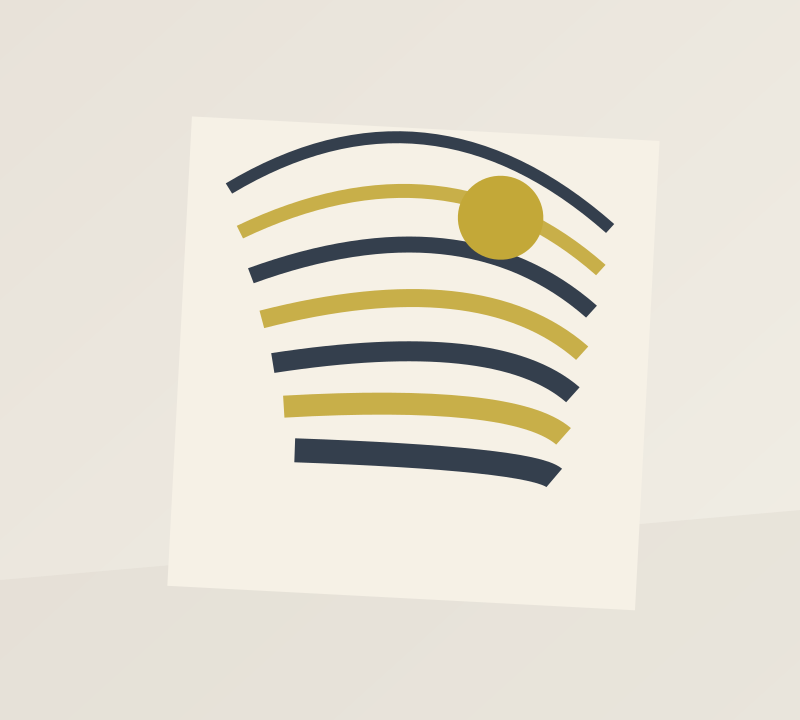
Two glass studies and a calendar on paper suggest different ways to read light. One evokes transparency; another uses planes and lines to represent time. These illustrations do not document a physical lighting experiment: they invite a comparison of visual languages.
Switch between the full view and a detail. Notice how your attention moves from an overall shadow to an edge or an intersection.
Begin with the familiar
Reading Light invites a second look at things we pass every day. A small observation can open a larger question without needing a definitive explanation.
Slow down at the surface
Give time to edges, seams and spaces. As the eye slows down, patterns that previously went unnoticed can become apparent.
Compare the differences
These studies do not all tell the same story. Each helps make another more visible. Open a detail view and compare it with the whole composition.
Carry a question forward
Save an object that invites another look, or assemble a personal trail. Your sequence of looking becomes part of the story you can make.